Marker Guide: Alcohol-Based vs Water-Based vs Xylene-Based Markers
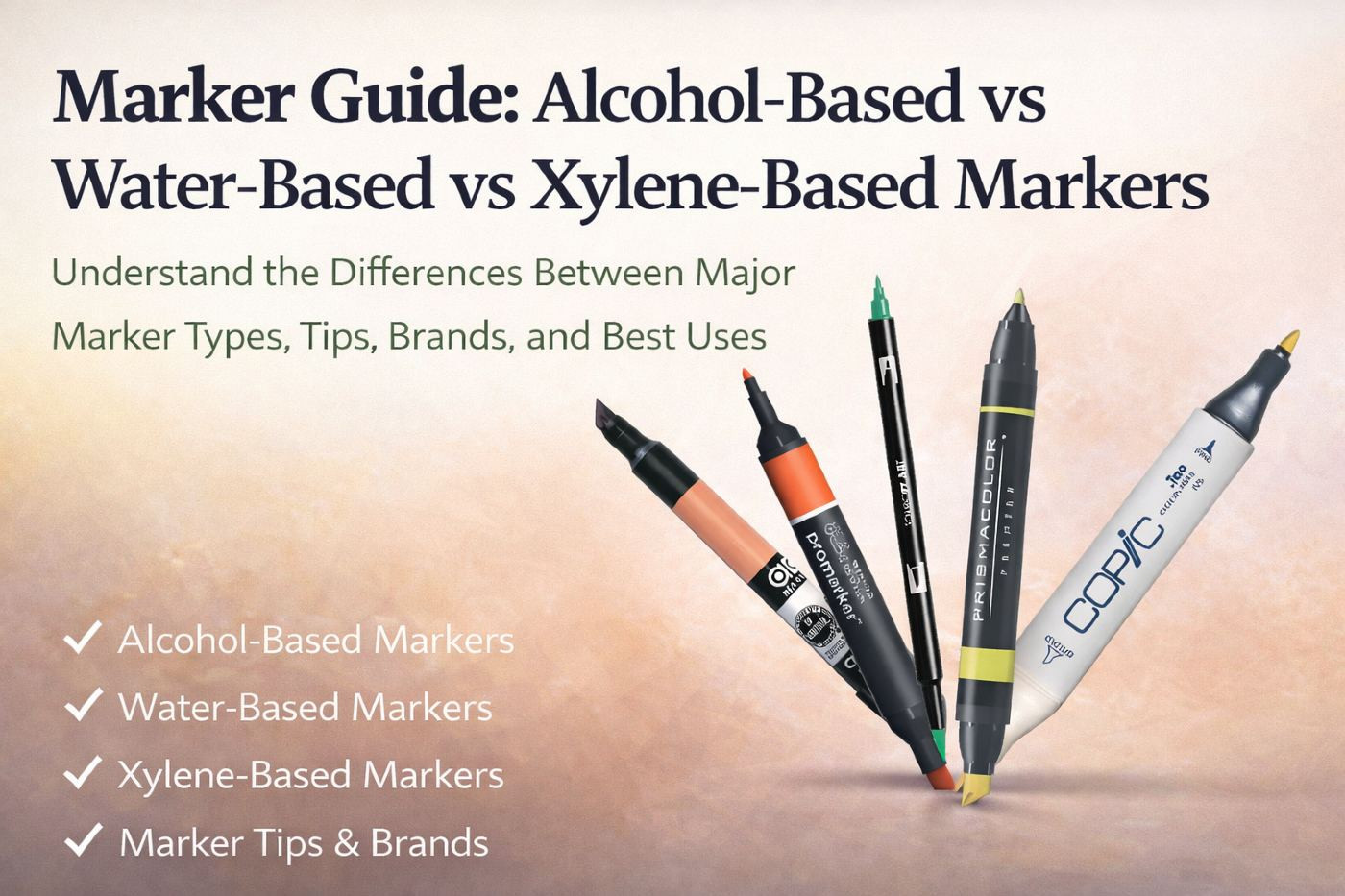
Learn the differences between alcohol-based, water-based, and xylene-based markers, plus marker tip types, top brands, best uses, marker care, and the best paper for marker artwork.
Markers are a favorite tool for artists, designers, illustrators, students, and hobbyists, but choosing the right kind can get confusing fast. Different marker types behave differently on paper, dry at different speeds, blend in different ways, and work better for certain styles of art and design.
Some markers are made for bold professional renderings. Others are better for journaling, lettering, or watercolor-style effects. And once you add tip styles, paper choices, and brand differences to the mix, the marker aisle starts feeling a little like a chemistry lab with prettier packaging.
This guide breaks down the main types of markers, explains common tip styles, compares popular brands, and covers marker care and paper choices so you can find the best marker for your work.
Jump to a section:
Types of Markers | Marker Tips | Top Marker Brands | Best Markers by Industry | Marker Care | Best Paper for Markers
Types of Markers: Alcohol-Based, Water-Based, and Xylene-Based
Marker formulation affects how the ink behaves, how it smells, how well it blends, and what surfaces it works best on. Understanding the base type is one of the easiest ways to narrow down the right marker for your needs.
Alcohol-Based Markers
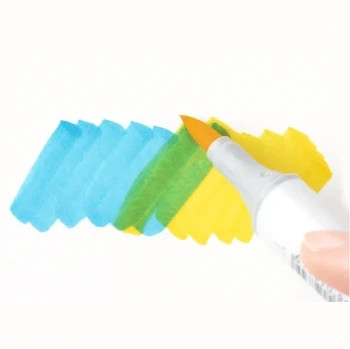
Alcohol-based markers are known for vibrant color, smooth coverage, fast drying, and good blendability. They are a popular choice for illustration, rendering, comics, manga, and graphic design.
- Pros: vibrant color, blendable, smooth coverage, quick drying
- Cons: often bleeds through paper, may have noticeable odor
- Best for: illustration, design, manga, rendering, professional marker work
- Examples: Copic, Winsor & Newton ProMarkers, Prismacolor Premier, Chartpak Spectra

Water-Based Markers
Water-based markers are popular for lettering, journaling, classroom use, and watercolor effects. They are usually lower odor and easier to clean up, which makes them friendlier for beginners and casual use.
- Pros: low odor, easy cleanup, good for layering, less bleed-through on many papers
- Cons: can warp paper, may be less vibrant than alcohol markers, can fade over time
- Best for: hand lettering, journaling, calligraphy, watercolor-style effects
- Examples: Tombow Dual Brush Pens and similar water-based brush markers

Xylene-Based Markers
Xylene-based markers are known for bold, saturated color and strong performance on a variety of surfaces. They have long been popular in industrial design, layout work, and mixed media applications.
- Pros: highly saturated, strong blending ability, works on multiple surfaces
- Cons: strong odor, requires good ventilation, can bleed and stain
- Best for: mixed media, industrial design, bold rendering, specialty illustration work
- Examples: Chartpak AD Markers
Quick Marker Type Comparison
| Marker Type | Main Strengths | Drawbacks | Best For |
|---|---|---|---|
| Alcohol-Based | Blendable, vibrant, quick-drying | Bleed-through, odor | Illustration, rendering, design |
| Water-Based | Low odor, easy cleanup, softer blending | Can warp paper, may fade | Lettering, journaling, watercolor effects |
| Xylene-Based | Bold color, strong blending, multi-surface use | Strong odor, ventilation needed | Mixed media, industrial design, bold art |
Marker Tips: Chisel, Fine, and Brush Tips
The tip style affects how the marker feels in your hand and what kind of marks it can create. Some artists stick to one favorite tip style. Others collect several and pretend it is all part of a very rational system.
Chisel Tip Markers
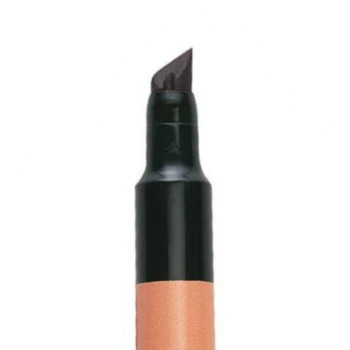
Chisel tips can make both broad strokes and narrower lines depending on the angle of the tip. They are useful for filling larger areas and for layout-style work.
Best for: graphic design, architectural renderings, broad coverage, calligraphic effects.

Fine Tip Markers
Fine tips are designed for precision, clean outlines, detailed illustration, and controlled line work.
Best for: technical drawing, fine detail, precise outlines, controlled coloring.

Brush Tip Markers
Brush tips offer more expressive line variation and a softer, more fluid drawing feel. They are especially popular for hand lettering, manga, and illustration.
Best for: hand lettering, expressive illustration, blending, shading, manga, and stylized line work.
Comparing Top Marker Brands
Different marker brands stand out for different reasons. Some focus on refillability and long-term use. Others are known for bold color, specialty solvents, or a more affordable entry point.

Chartpak AD Markers
Type: Xylene-based
Tip style: Single tri-nib design
Why people like them: bold color, strong blending, and versatility across multiple surfaces.

Chartpak Spectra Markers
Type: Alcohol-based
Tip style: Dual-tip
Why people like them: smooth coverage, bright color, and a versatile tip setup for broad and detailed work.

Copic Sketch
Type: Alcohol-based
Tip style: Brush and chisel
Why people like them: refillable design, replaceable nibs, wide color range, and excellent blendability.

Copic Original
Type: Alcohol-based
Tip style: Fine and chisel
Why people like them: refillable construction and more precision-focused use for technical and detailed work.

Copic Ciao
Type: Alcohol-based
Tip style: Brush and chisel
Why people like them: a more affordable entry into the Copic system for beginners and hobbyists.

Tombow Dual Brush Pens
Type: Water-based
Tip style: Brush and fine
Why people like them: great for lettering, watercolor-style effects, journaling, and soft blending.

Winsor & Newton ProMarkers
Type: Alcohol-based
Tip style: Chisel and fine
Why people like them: smooth color laydown, consistent ink flow, and dependable professional performance.

Prismacolor Premier Chisel/Fine
Type: Alcohol-based
Tip style: Chisel and fine
Why people like them: rich color, strong coverage, and useful dual-tip flexibility.

Prismacolor Premier Brush/Fine
Type: Alcohol-based
Tip style: Brush and fine
Why people like them: a flexible brush feel paired with a detail tip for expressive and precise work.
Brand Comparison Snapshot
| Brand | Base Type | Tip Style | Refillable | Best For |
|---|---|---|---|---|
| Chartpak AD | Xylene-based | Tri-nib | No | Industrial design, mixed media, bold illustration |
| Copic Sketch | Alcohol-based | Brush and chisel | Yes | Professional illustration, manga, rendering |
| Copic Ciao | Alcohol-based | Brush and chisel | No | Beginners and hobbyists |
| Tombow Dual Brush | Water-based | Brush and fine | No | Lettering, journaling, watercolor effects |
| Winsor & Newton ProMarker | Alcohol-based | Chisel and fine | No | Design, illustration, professional marker work |
Best Marker Types by Industry and Use
Different fields often lean toward different kinds of markers depending on the kind of drawings, renderings, lettering, or surfaces involved.
Architecture and Drafting
Alcohol-based markers are often preferred for renderings, plan highlighting, and technical illustration because they offer clean blending and controlled color application.
Graphic Design and Illustration
Alcohol-based markers are a common choice because they provide strong color, fast drying, and smooth gradients for presentation work and polished illustration.
Interior Design
Both xylene-based and alcohol-based markers are used for vibrant renderings, material studies, and color-rich concept work.
Fine Art and Mixed Media
Xylene-based markers can deliver bold saturation, while water-based markers are useful for softer effects and mixed media layering.
Calligraphy and Hand Lettering
Water-based brush markers are often preferred for their flexible tips, low odor, and ability to create expressive stroke contrast.
Education and Hobby Use
Water-based markers are often the easiest place to start, while entry-level alcohol markers give hobbyists room to experiment with blending and rendering.
Marker Care and Maintenance
A little marker care goes a long way. Good markers are not magical, but with the right habits, they do stay useful much longer.
Store Markers Horizontally
Horizontal storage helps keep ink distributed more evenly and can improve flow over time.
Cap Them Tightly
Always replace the cap securely after use to reduce drying and preserve the nib.
Use the Right Paper
Paper affects bleed-through, wear on the nib, and how well the ink lays down, so it is worth matching the paper to the marker type.
Clean Tips Gently
Keeping nibs free of debris and buildup can help maintain cleaner marks and steadier flow.
Refill When Appropriate
Refillable markers, such as some Copic models, should be maintained before they run too dry to help preserve performance.
Avoid Rough Surfaces
Very rough paper can wear down nibs faster, especially on brush and fine-tip markers.
Choosing the Best Paper for Markers
The paper you use matters almost as much as the marker itself. Good marker paper can improve color, reduce bleed-through, and make blending much easier.
Best Paper for Alcohol-Based Markers
Smooth, bleed-resistant marker paper is usually the best choice for alcohol markers.
- Canson XL Marker Paper
- Strathmore 400 Series Marker Paper
- X-Press It Blending Card
Best Paper for Water-Based Markers
Heavier mixed media or watercolor paper works better when water and layering are involved.
Best Paper for Xylene-Based Markers
Heavy, smooth, bleed-resistant paper helps manage stronger solvent inks and heavier saturation.
Paper Characteristics to Look For
- Weight: heavier paper is less likely to warp or bleed through
- Texture: smooth paper works well for crisp lines, while textured paper can create softer or more expressive effects
- Coating: some marker papers are coated to reduce feathering and improve blending
- Format: choose pads, sketchbooks, loose sheets, or journals based on how you like to work
How to Choose the Right Marker
Choose Alcohol-Based Markers If...
You want strong color, smooth blending, and a more professional rendering feel for illustration, design, and marker-heavy artwork.
Choose Water-Based Markers If...
You want lower odor, easier cleanup, softer effects, or tools for lettering, journaling, and watercolor-style work.
Choose Xylene-Based Markers If...
You want bold color, specialty blending, and a marker that can work beyond standard paper applications.
Also Think About Tip Style
Even the right ink type can feel wrong if the tip does not match how you draw, shade, letter, or render.
Find the Best Markers for Your Work
Whether you prefer alcohol-based markers for rendering, water-based markers for lettering, or xylene-based markers for bold design work, the right marker depends on your style, surfaces, and workflow.
Understanding the differences in marker type, tip style, paper, and care can help you choose tools that work better and last longer.